
Our Twinning Relationship with the Church in Kyrgyzstan
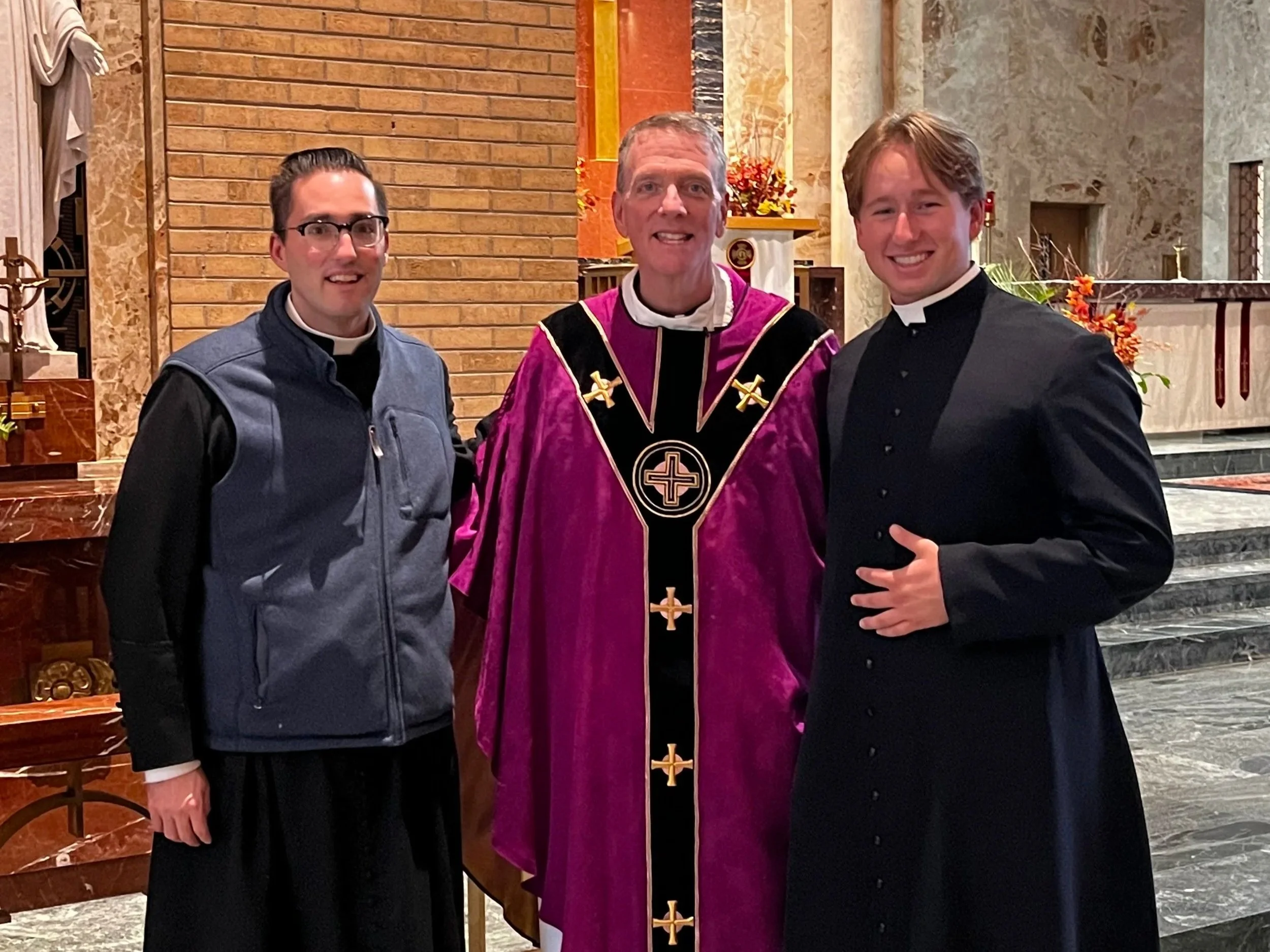
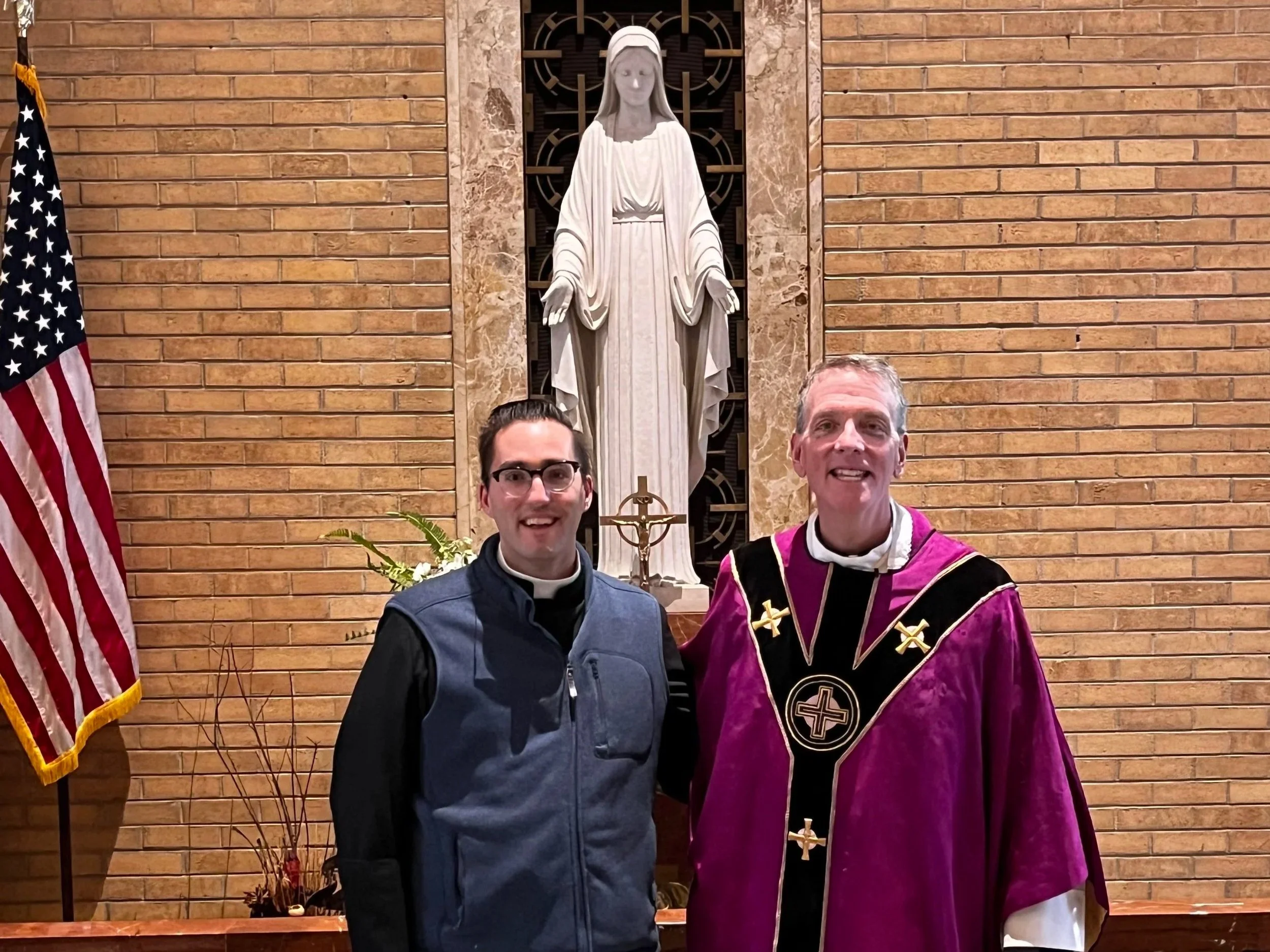
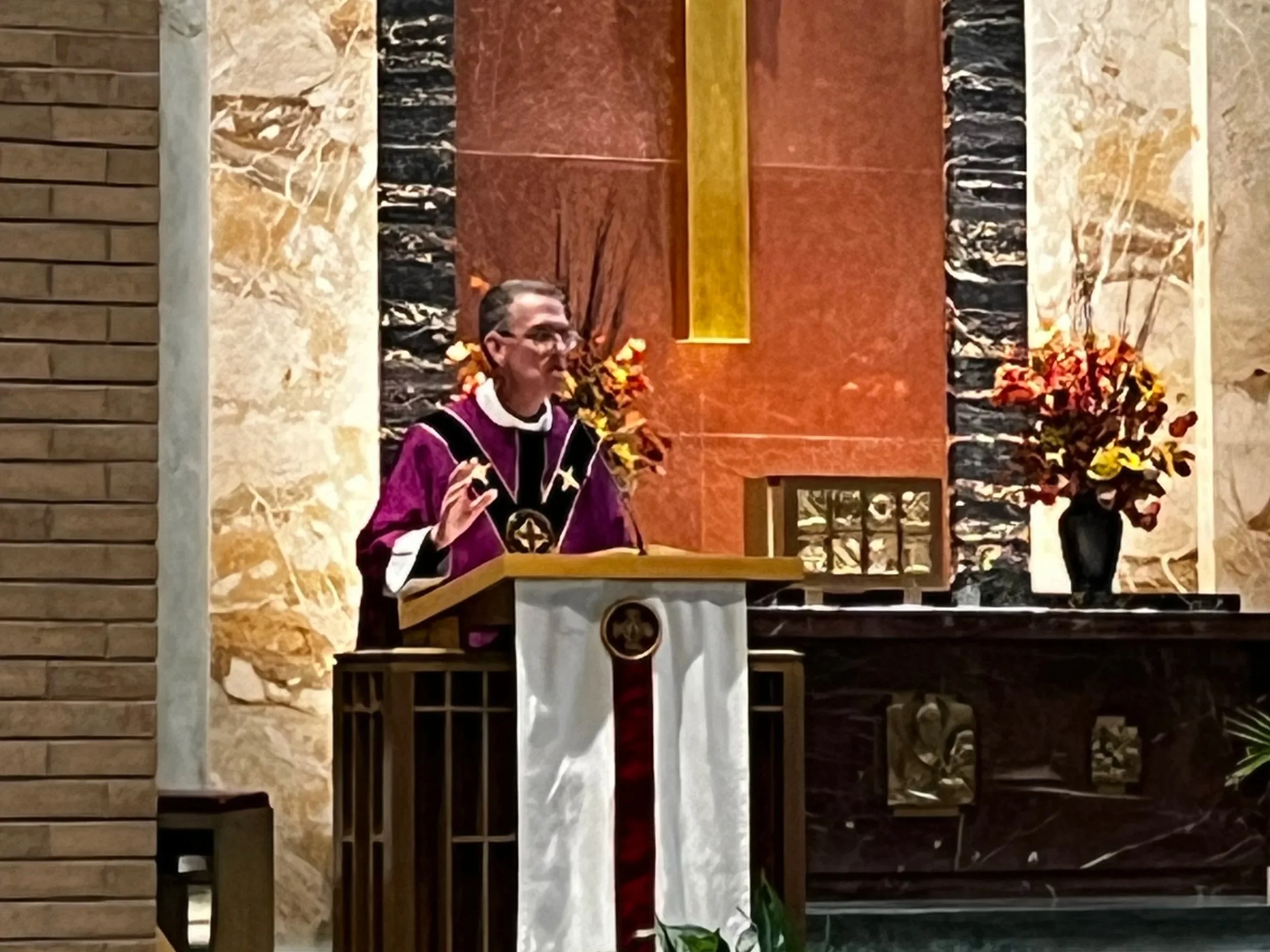
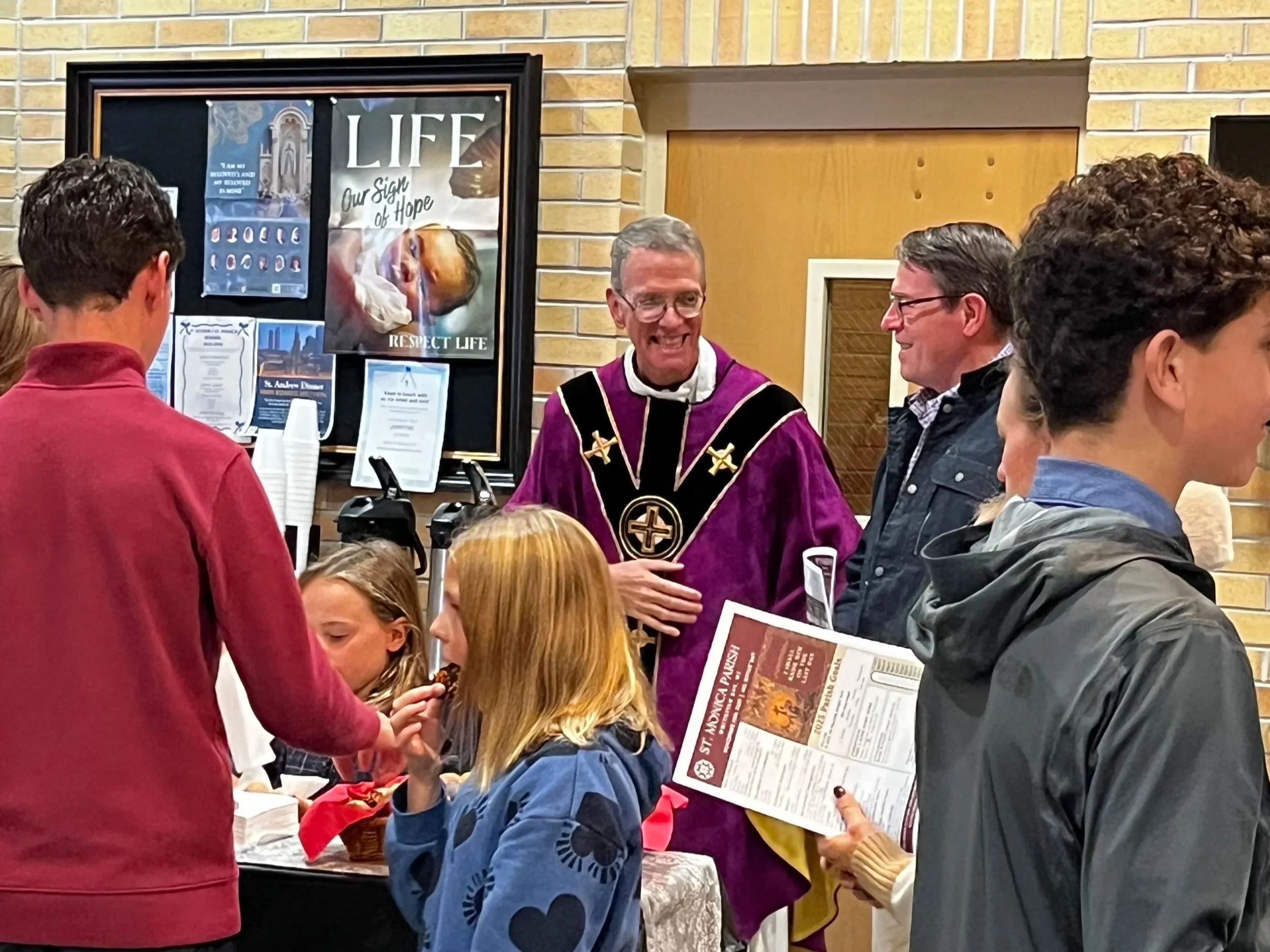
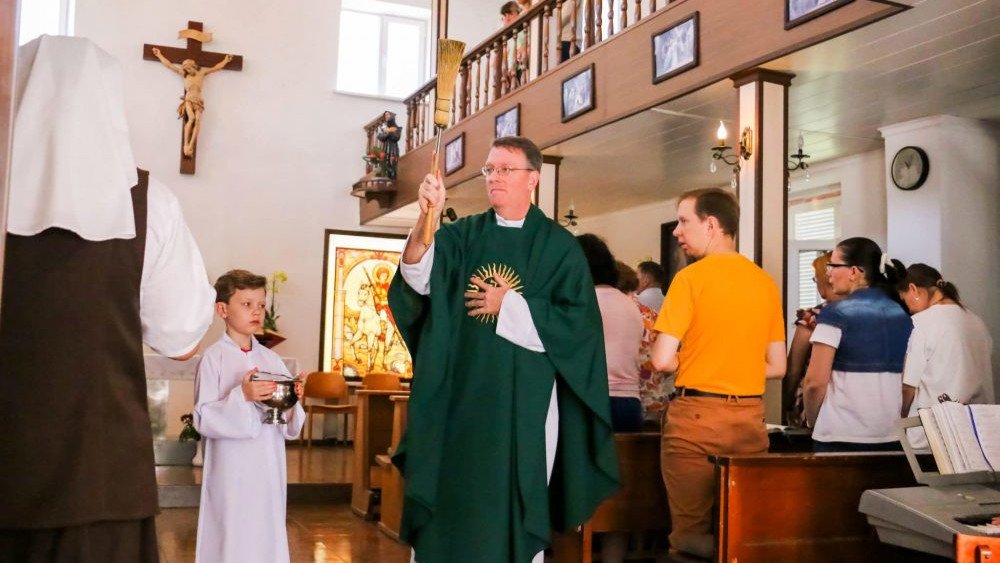
Photos from Fr. Anthony Corcoran’s recent visit to St. Monica Parish in 2025.
The Church in Kyrgyzstan
Kyrgyzstan is a small nation in Central Asia. It received its independence from the Soviet Union in 1991. The population is approximately 6 million with a mix of Kyrgyz, Uzbek, Russian, Uygur, Dungan, Ukrainian, Kurd, Tajik and Turks. Of these, 34% are younger than 15 years old. Most Kyrgyz live in rural areas, with only one third of the population residing in cities. Between 87% and 90% of the population consider themselves to be Muslims. Islam dominates the religious and social landscape. Christians make up between 8-11% of the population and comprise a very small minority. Until recently, the majority of Muslims have been rather moderate; however, there is an increasing trend towards the radicalization of certain elements within the population, most especially among young adults.
The Catholic Church, present in the country for at least 150 years, has traditionally been comprised of citizens with German, Polish, or Ukrainian heritage. The Apostolic Administration of Kyrgyzstan is one of smallest Catholic Church entities in the world and probably one of the most marginalized. Most of the Catholics here have Polish, German, Ukrainian or Korean roots; however, more and more people of other ethnic backgrounds are attending Holy Mass, including Russians, Kyrgyz and Uzbek.
The vast majority of these Catholics have emigrated to Europe or Russia over the past three decades. There are now some newer Catholics from different national groups, including Russians, Kyrgyz and Uzbek. There are currently estimated to be between 550-1500 Catholics in the country. There are three parish churches and many smaller Catholic communities spread throughout this country. There are currently seven priests and five Franciscan Sisters serving here. In 2006 Pope Benedict XVI established the Apostolic Administration of Kyrgyzstan. In August 2017, after the unexpected death of Bishop Nikolaus Messmer, Fr. Anthony Corcoran SJ was appointed by the Holy See to serve as Apostolic Administrator of Kyrgyzstan.
Charity and missionary work
Outside of the parishes, missionaries visit about 30 Catholic gatherings that are spread around the country. The most distant one is in Dzalalabad and is visited by a priest only once per two months. The road going through the mountains, which climbs up to 16,000 feet high, is often impossible to pass. Parishioners are mostly Polish, but also Russian, German, Korean and native Kyrgyz. Most of them are elderly and very poor, but there is also quite a lot of young people and kids.
The most recent February – March 2005 revolution in Kyrgyzstan was caused primarily by poverty. Most citizens have no work and often they only eat what they can plant themselves in their gardens. Retirees are given approximately $5 to $10 per month, and $1 will buy 10 small breads. Field workers, who spend 10 hours working hard in high heat, are paid $1 per day. This pay is seen as decent. Lots of children are either homeless or working instead of attending schools. There is no medical services outside cities, and in the cities all the healthcare has to be paid in full by the patient – there is no insurance system. Major problems besides poverty are: abuse of alcohol and destruction of family structure – both a legacy of 70 years of communism.
Charity is the major obligation of the Catholic Church in Kyrgyzstan. Material help coming from abroad, mostly from Germany, is distributed by missionaries primarily to the sick, invalids, large families and lonely elderly people. The missionaries especially care about the houses for elderly or invalids. Each time they visit such a house, they try to bring a bread, an apple or a tomato. The residents eat the bread with such hunger. Some of these old people have only one pair of clothes – the ones they wear all the time, so the missionaries do their best to deliver clothes from charity help from abroad. They show them religion-related movies, mostly animated since these are the easiest to understand, tell them stories from the Holy Bible, sing and most of all, and if a priest is present they have a Holy Mass. For these poor people it is most important that they know someone who remembers them and likes them. In the houses for elderly even the smallest amount of time spent together, attention and common prayer has a great, special meaning.
The missionaries are allowed by the authorities to visit 12 prisons, including a prison for women and minors. In two prisons they have prayer groups, where they meet with the prisoners on a regular basis to pray and explain the Bible. They also prepare them for the Sacraments, especially Confession. They have three groups in the women’s prison, including one group in the part of prison which is isolated for women with small children. These women mostly ask for soap for their children. One day’s food ration in prison equals one loaf of bread, so many prisoners are weak and tuberculosis is widespread.
The two topics prisoners want to hear about most are the God’s love and forgiveness. All of them know the true meaning of injustice and suffering. In prisons the missionaries show movies like Mel Gibson’s “The Passion of Christ” – those projections are most popular. In helping those prisoners, elderly and invalids, it does not matter to the missionaries if who they serve are Catholics, Muslims, protestants or orthodox.
Right now the major obstacle in missionary work is lack of vehicles. The ones they have are constantly broken, the few they do have are not suitable for the rough terrain that dominates this landscape. Prisons, elderly houses and invalids houses are far away and public transportation does not cover all the areas. Just to get to one of the prisons that they visit once per week by public transport takes 7 hours, including walking. Getting there by car takes only 1.5 hour. The missionaries would therefore welcome any help you could provide in obtaining a new or used 4-wheel drive vehicle. To buy a relatively good quality used vehicle they need about $4000.
Information provided by the Catholic Church of Kyrgyzstan website.
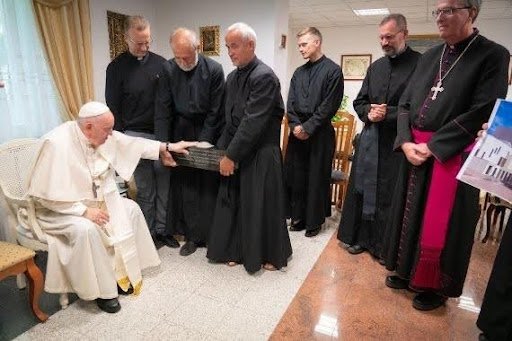
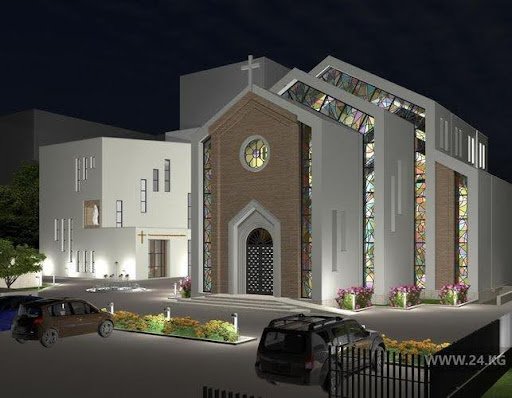
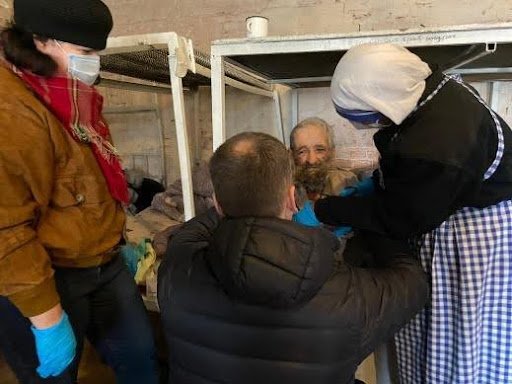
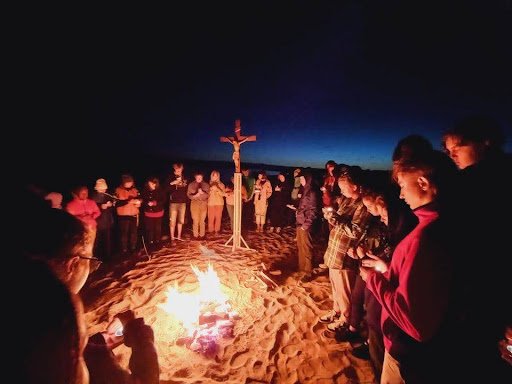
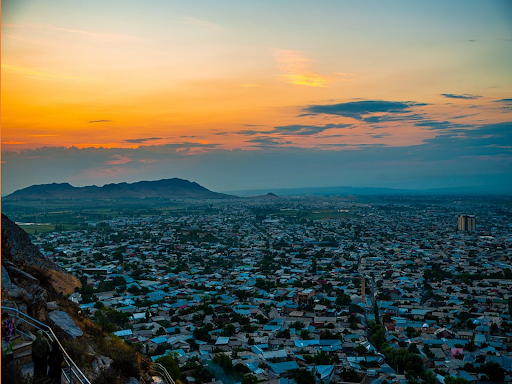
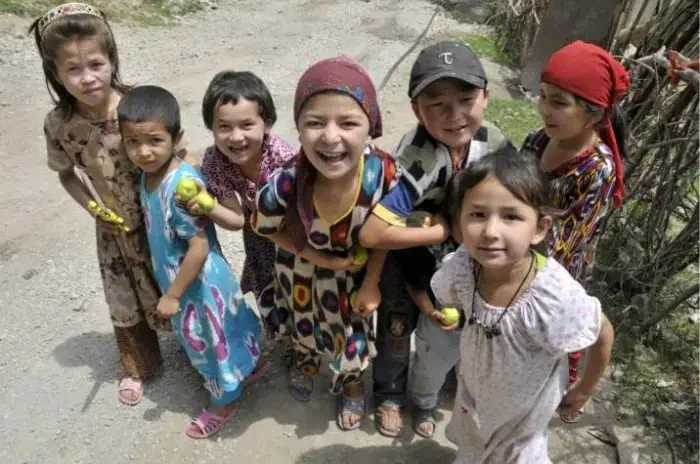
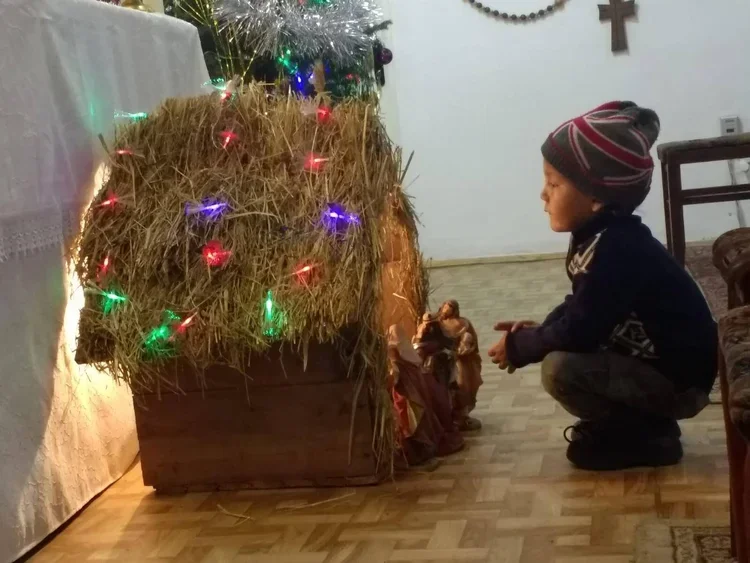
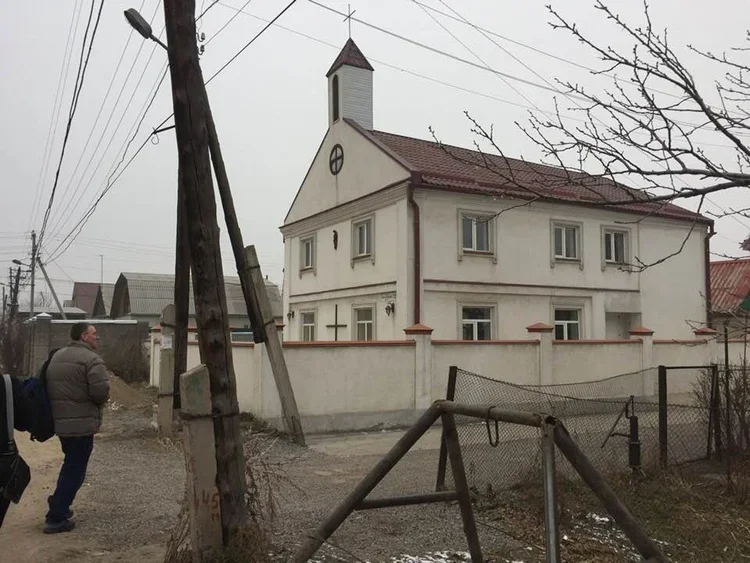
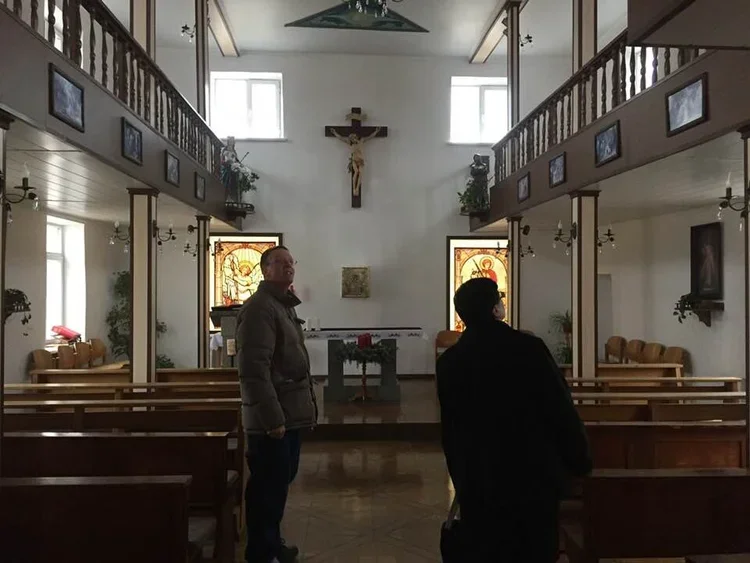


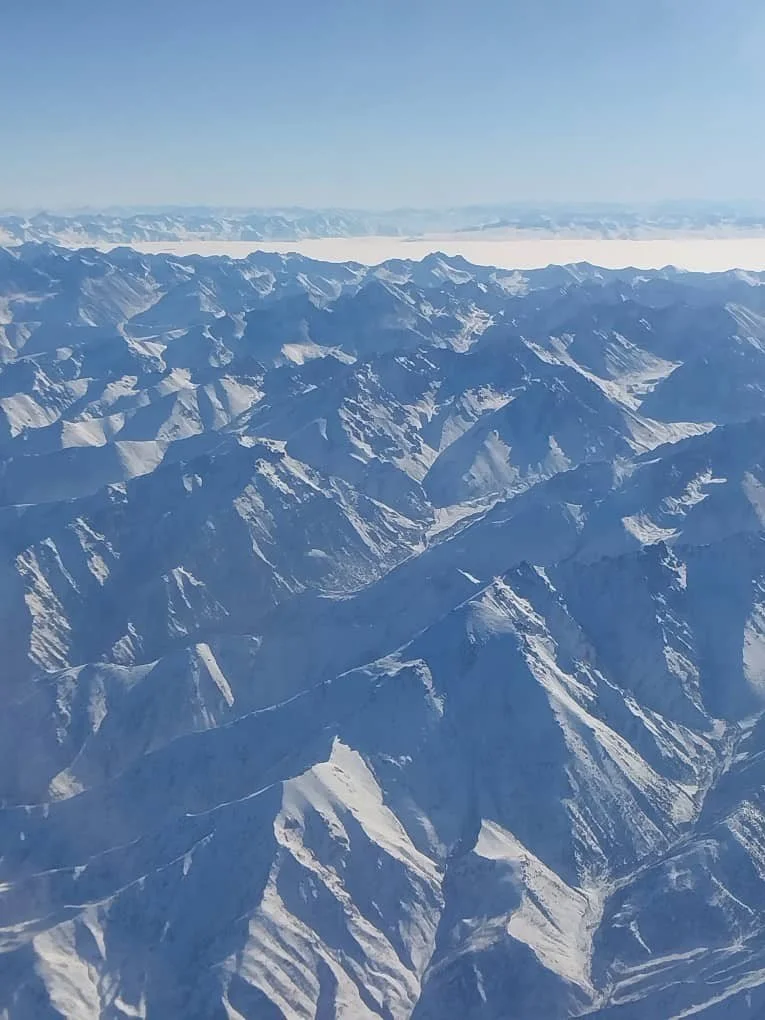
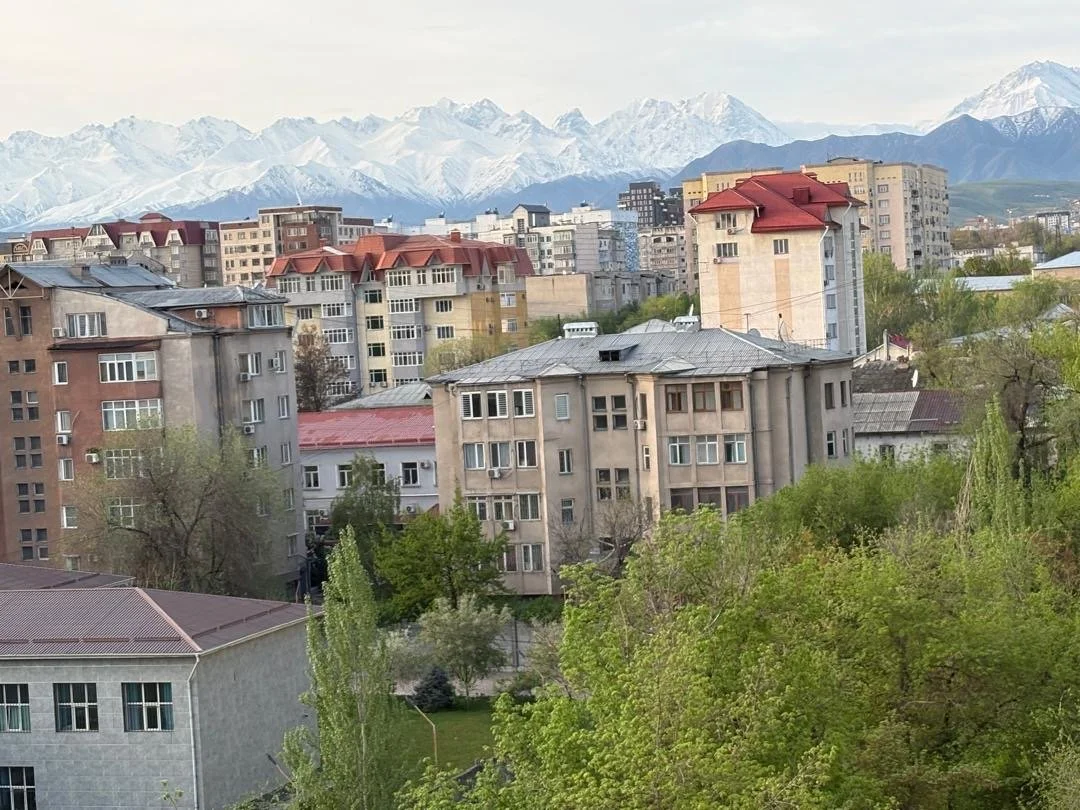
Photos from the church community in Kyrgyzstan.